Korum™ Growth Lab
Reimagining Pre-Primary Development.
A purposefully designed daytime early childhood development programme for children aged 3–6, combining academic readiness with practical life skills, independence, creativity, movement, and social development.
A Different Kind of Early Childhood Environment
Designed for exploration. Built for development.
Korum™ Growth Lab is not organised around rows of desks or a fixed sequence of classroom lessons. Children move through a carefully designed environment of interconnected learning zones, each created to develop different capacities through purposeful experience. They might build and test an idea, prepare something independently, explore language through stories and conversation, investigate the natural world, solve a practical problem, create something with their hands, or simply find a quiet place to think and reset.
The environment changes with the child. Activities become more complex, responsibility grows, and adults guide without taking over. Children are given the freedom to explore within a structure designed to help them become increasingly capable, confident, and independent.
At Korum™, the environment is not where learning happens. It is part of how learning happens.
Growing Human Capability
The future will demand more than academic readiness.
The world children are growing into will be fundamentally different from the one their parents entered. Artificial intelligence is changing how we work, create, solve problems, and make decisions. The children of today will grow up surrounded by systems that can answer questions, generate ideas, and perform tasks that once required years of training.
Their advantage will not come from competing with machines at what machines do well.
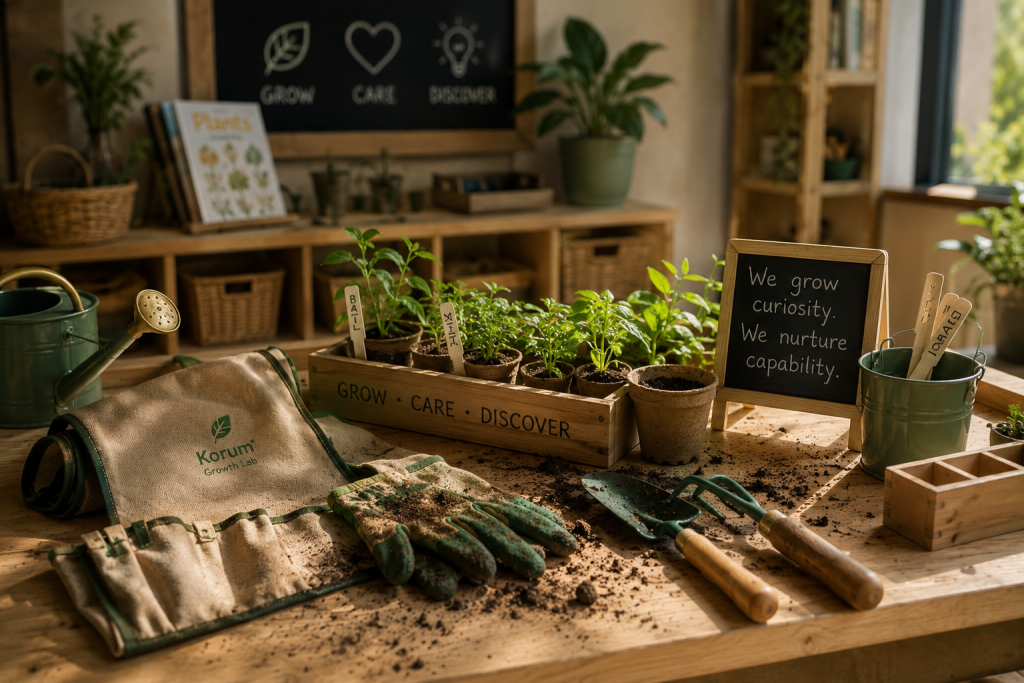
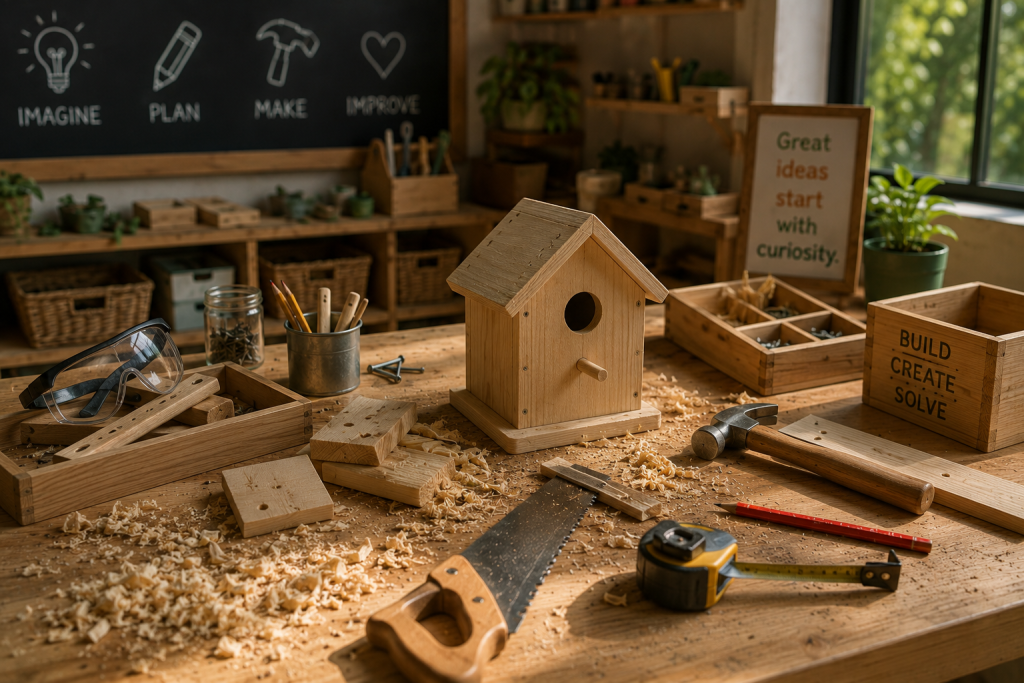
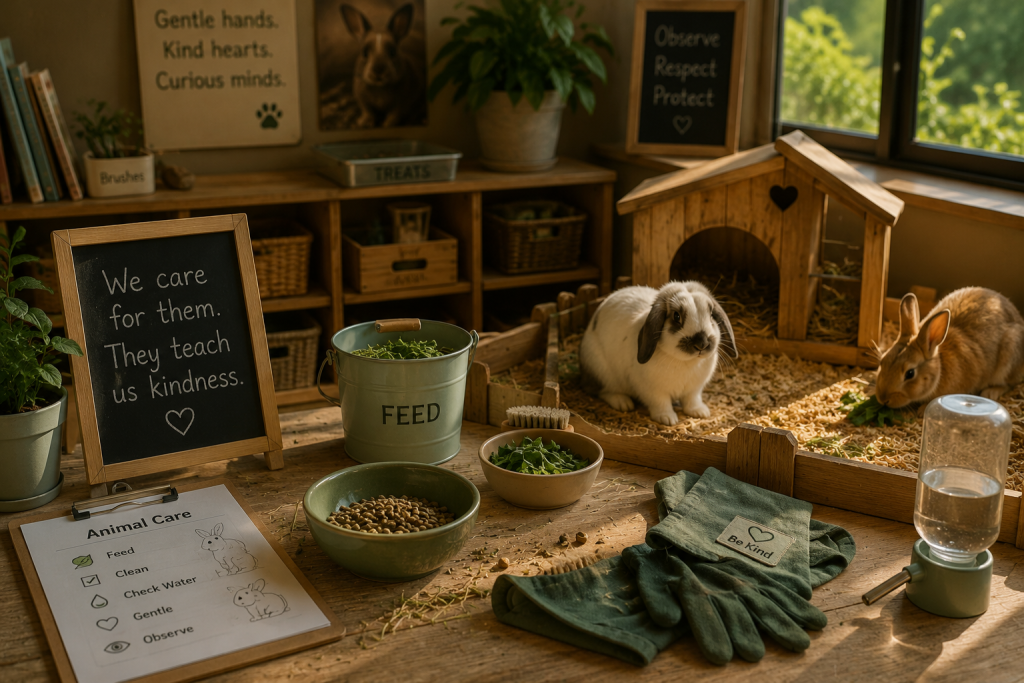
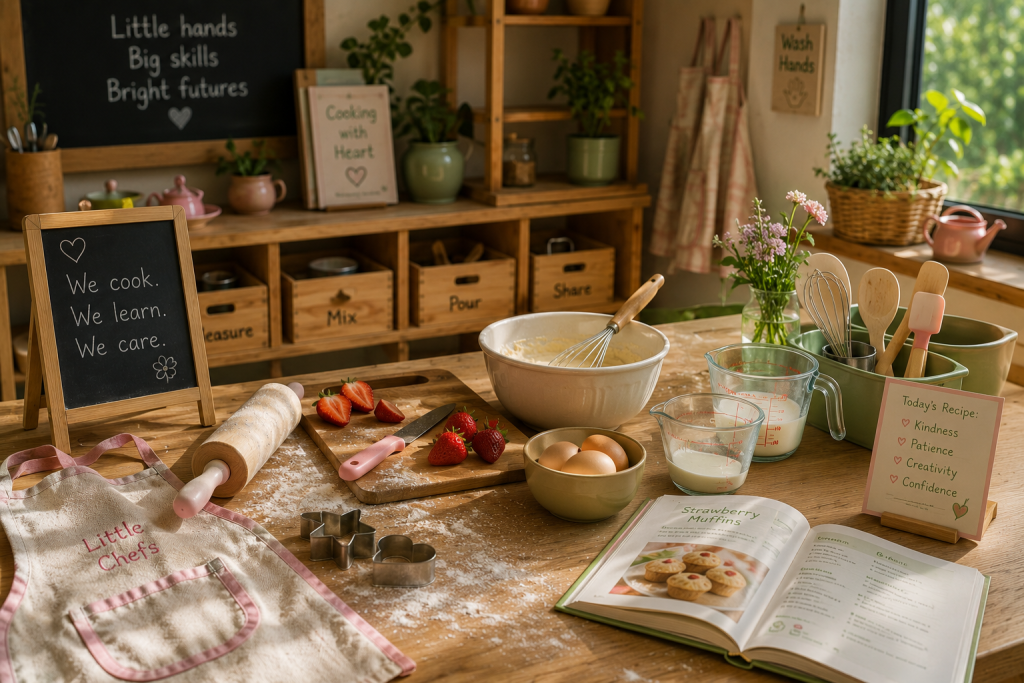
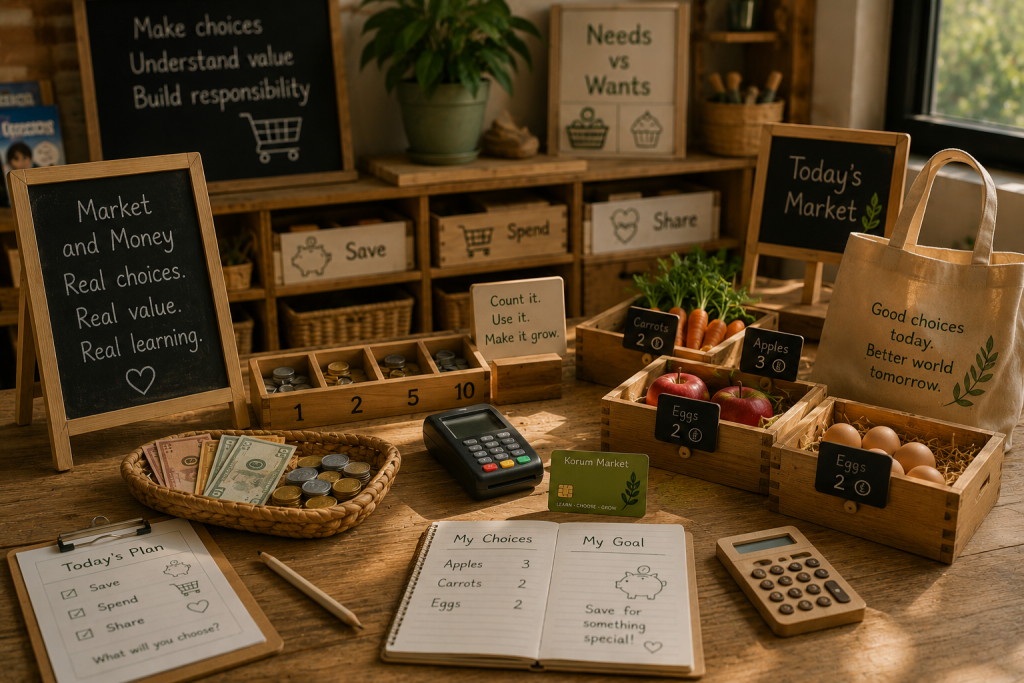
At Korum™, we focus on developing the deeply human capacities children will need to navigate that future with confidence: the ability to think independently, adapt when circumstances change, work meaningfully with others, regulate emotions, exercise judgment, create, question, and act with agency. These capacities are not installed through a lesson called Critical Thinking or a weekly creativity activity. They develop slowly through experience: making real choices, solving real problems, negotiating with others, taking responsibility, encountering difficulty, trying again, and discovering that they are capable of more than they thought.
What Growth Looks Like
Not every important change can be measured on a worksheet.
A child who tries again instead of giving up.
Who can explain what they think and why.
Who makes something with their own hands.
Who takes responsibility without being reminded.
Who knows how to work with others, and when to think independently.
Who encounters something unfamiliar and says, I can figure this out.
This is what we mean by growing human capability.
Korum Growth Lab™
School Ready. Life Ready.